
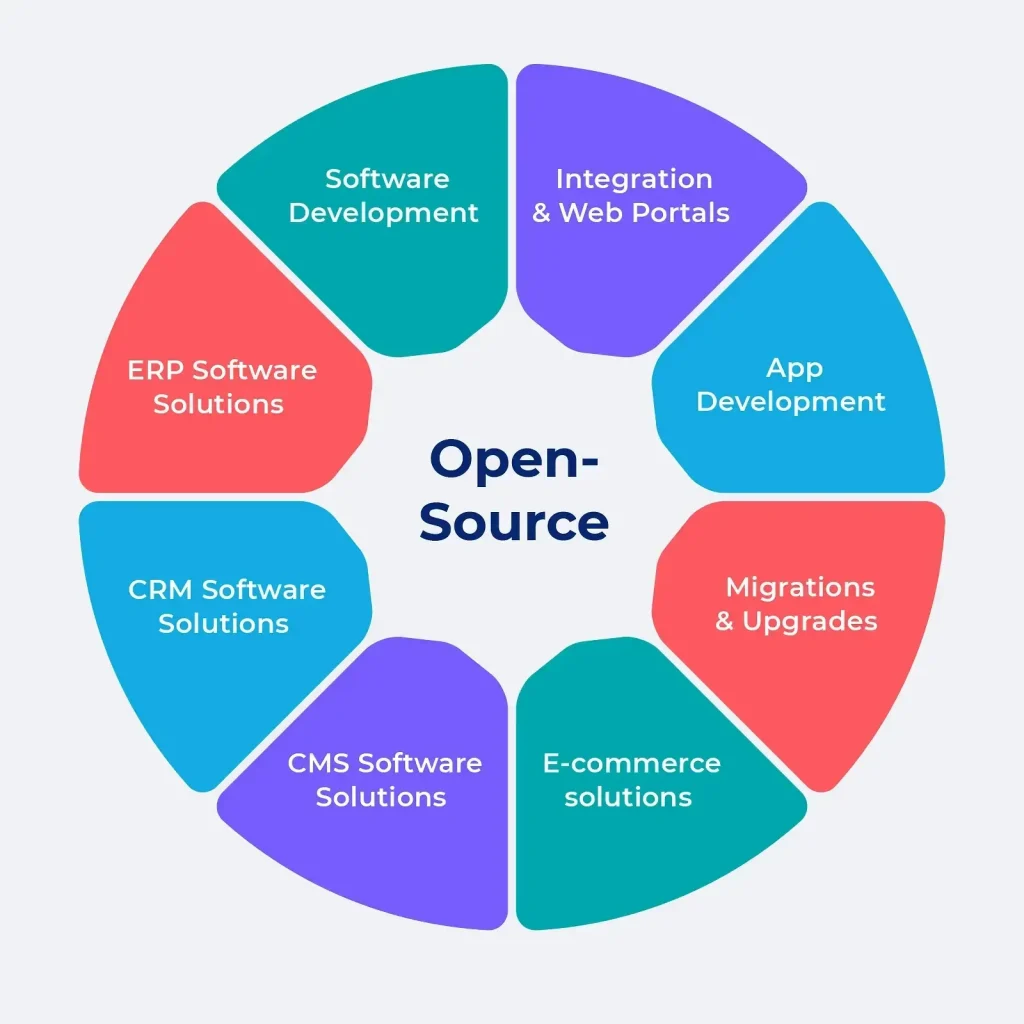
Open-Source Software has reshaped how developers build, share, and improve technology, enabling collaboration across borders. From hobby projects to critical infrastructure, this approach accelerates innovation through transparent processes and community-driven governance. To maximize its benefits, explore the open landscape by examining the pros and cons and practical strategies for contributing, including how to contribute to open source and open-source licenses. This overview also highlights open source communities and the importance of open source project guidelines. Whether you are a student, a professional, or a startup, understanding the landscape helps you decide when to adopt, contribute, or build with OSS.
Viewed through a broader lens, open ecosystems leverage freely accessible source code—often summarized as free and open-source software (FOSS)—to empower developers to study, modify, and redistribute. These collaborative structures thrive on public repositories, various licensing models, and active communities that review contributions and improve security and reliability. When evaluating such projects for a product or career, stakeholders should consider community governance, contribution guidelines, and license compatibility to shape sustainable adoption. Seeing the landscape as a collaborative ecosystem rather than a vendor solution helps teams plan long-term involvement, governance, and shared ownership of software outcomes.
Open-Source Software: Benefits, Licensing, and Community-Driven Innovation
Open-Source Software (OSS) has transformed how developers build, share, and improve technology. It enables collaboration across borders, disciplines, and skill levels, leading to faster iteration, transparency, and community-driven innovation. By design, OSS relies on licenses that allow anyone to study, modify, and distribute code, making the practice fundamentally about openness, shared ownership, and sustainable development. This makes Open-Source Software not just free as in price, but rich in opportunity for learning, experimentation, and scalable impact.
The advantages of OSS extend beyond cost savings. Transparency through visible source code invites peer review, quicker bug discovery, and more robust security patches, creating trust and safety in software used across organizations. Interoperability and adherence to open standards reduce fragmentation, while the collaborative model accelerates feature development and landscape-wide improvements. In tandem, open-edge governance, clear open-source project guidelines, and active open source communities help maintain high-quality software and predictable roadmaps.
However, the landscape includes challenges like licensing complexity, potential maintenance burdens, and governance trade-offs. Navigating open-source licenses—permissive versus copyleft—and ensuring compliance with attribution and redistribution terms is essential for commercial use. Understanding these dynamics within the broader context of Open-Source Software helps teams plan for risk, sustainment, and responsible participation in open source communities.
How to Contribute to Open-Source Software: A Practical Path from Beginners to Maintainers
Contributing to Open-Source Software is a practical, community-driven activity that goes beyond writing code. To begin, identify a project that aligns with your interests and skills, and review its open-source project guidelines and CONTRIBUTING.md. These resources outline the workflow, testing requirements, and expected coding standards, while a welcoming code of conduct signals a respectful environment for newcomers. Starting with a well-scoped task—such as fixing a small bug or updating documentation—helps you learn the project’s conventions and build confidence.
Effective contributions hinge on clear communication and disciplined processes. Craft concise commit messages, document the problem and your approach, and provide reproducible tests or verification steps. Engage in code reviews with an open mind, iterate on feedback, and participate in discussions that shape the project’s direction. This collaborative rhythm—rooted in how to contribute to open source practice—also reinforces licensing awareness, attribution requirements, and compatibility considerations when integrating existing components.
Sustained involvement benefits both your growth and the broader ecosystem. As you contribute, you’ll gain visibility within open source communities, learn how to navigate governance decisions, and potentially take on roles that influence project direction. Beyond code, documentation, localization, and mentoring new contributors are valuable paths that reflect strong open-source project guidelines and responsible stewardship. By contributing consistently, you help strengthen open-source communities and demonstrate how open collaboration can scale across teams and organizations.
Frequently Asked Questions
What are the open-source software pros and cons for starting a new project?
Open-source software pros and cons include several clear benefits and trade-offs. Pros include cost reduction and accessibility, transparency and trust through visible code, acceleration of innovation via collaboration, improved interoperability through open standards, and opportunities for talent development. Cons include licensing complexity and compliance, maintenance burden when maintainers drift, fragmentation and governance challenges, security considerations and dependency management, and potentially slower formal support. When evaluating OSS for a project, review open-source licenses (permissive vs copyleft) and ensure you can meet attribution and redistribution requirements.
How to contribute to open source projects effectively?
Contributing to Open-Source Software is about more than writing code. Start with a clear goal and choose a project with active maintainers and beginner-friendly issues. Read the open source project guidelines and the CONTRIBUTING.md to understand the workflow, coding standards, testing requirements, and review process. Set up your development environment, reproduce issues locally, and begin with small, scoped changes such as documentation improvements or small bug fixes. Communicate with concise commits and pull requests, engage in code reviews, and document your changes. Get involved in open source communities, seek feedback, and follow the code of conduct. Plan for sustainability by considering ownership, governance, and ongoing maintenance.
| Topic | Key Point | Notes |
|---|---|---|
| What is Open-Source Software? | Definition and core idea | Public licenses enable study, modification, and distribution; emphasizes transparency and collaboration. |
| Pros | Cost Reduction and Accessibility | No licensing fees for core components; democratizes tooling and contributions. |
| Pros | Transparency and Trust | Visible source code, audits, and faster vulnerability patches. |
| Pros | Innovation Through Collaboration | Diverse contributors drive features and ecosystem growth beyond what a single organization could achieve. |
| Pros | Interoperability and Community Standards | Open standards ease integration with other tools and improve long-term maintainability. |
| Pros | Talent Development and Reputation | Contributing builds portfolios, provides learning opportunities, and helps attract talent. |
| Cons and Challenges | Hidden Maintenance Burden | Maintenance costs may shift to maintainers; projects can become stale without active support. |
| Cons and Challenges | Licensing Complexity and Compliance | Attribution, copyleft terms, and redistribution constraints require careful license review. |
| Cons and Challenges | Fragmentation and Governance | Forks and divergent governance can slow progress and create compatibility issues. |
| Cons and Challenges | Security and Dependency Management | Active maintenance of dependencies is essential to prevent security risks and supply-chain issues. |
| Cons and Challenges | Support and Reliability Trade-offs | Formal support may be limited; organizations often need internal expertise for deployments and incidents. |
| Licensing Basics for Open-Source Software | Licensing Basics | Licenses define use, modification, and redistribution; key families include permissive (MIT/Apache) and copyleft (GPL). Review attribution, compatibility, and patent terms; maintain documentation (SPDX or LICENSE) for audits. |
| How to Contribute Effectively to Open-Source Projects | Key steps | Set a goal, choose a welcoming project, read CONTRIBUTING.md, set up a local environment, start with small changes, communicate clearly, engage in reviews, document and test. |
| Open-Source Project Guidelines and Governance | Common elements | Mission and scope, code of conduct, issue/PR workflows, release/versioning, licensing policy, and documentation standards. |
| Open-Source Communities and Collaboration | Forms of participation | Code contributions, documentation, localization, community support, mentorship, and recognition. |
| Choosing the Right Open-Source Approach for Your Product or Career | Decision factors | Strategic alignment, license compatibility, security/governance, community investment, and talent development. |
| Safeguarding Your Organization While Engaging with Open-Source Software | Practical OSS program | Maintain SBOMs, vulnerability management, licensing reviews, contributor training, and responsible disclosure practices. |
| Conclusion | Summary | Open-Source Software offers powerful benefits—cost savings, transparency, faster innovation, and active communities—alongside maintenance, licensing, and governance challenges. Thoughtful licensing, robust contributor guidelines, and proactive security and governance enable OSS to fuel better products and a thriving, global ecosystem. |
Summary
Open-Source Software reshapes modern development by enabling shared code, rapid iteration, and collaborative governance across organizations. It delivers benefits like cost savings, transparency, and broad ecosystem support, while also requiring disciplined licensing, security, and governance practices. By establishing clear contributor guidelines, SBOMs, vulnerability management, and responsible disclosure processes, teams can leverage OSS to accelerate product delivery, attract talent, and participate in a global, collaborative software landscape.